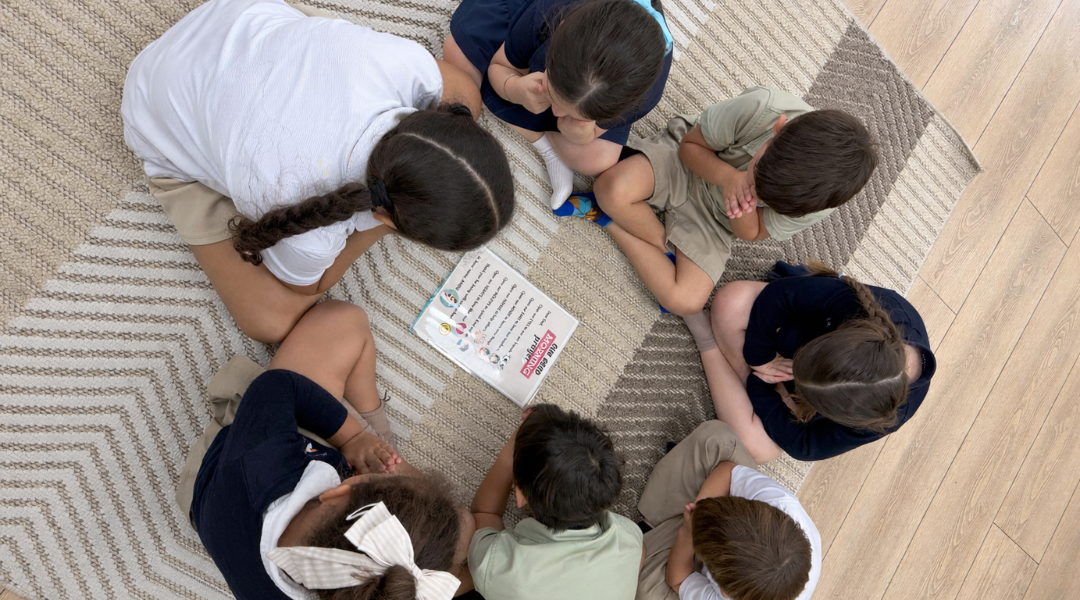
Choosing the right educational environment for your child is one of the most important decisions you’ll make as a parent. With the growing popularity of microschool programs, many families in Miami Lakes are exploring smaller, more personalized learning environments. But not all microschools are created equal—and not all truly follow Montessori principles.
If you’re considering a Montessori elementary microschool, asking the right questions can help you separate meaningful programs from surface-level alternatives. This guide will walk you through exactly what to look for so you can make a confident, informed decision.
What Is a Montessori Elementary Microschool?
Before diving into questions, it’s important to understand what a micro school is in a Montessori context.
A microschool is a small, student-centered learning environment that typically serves mixed-age groups with low student-to-teacher ratios. When aligned with Montessori philosophy, it goes beyond size—it emphasizes independence, hands-on learning, and respect for each child’s developmental pace.
However, the term “microschool” is not regulated. That’s why asking deeper questions is essential.
1. Is the Program Authentically Montessori?
One of the most important questions to ask is whether the program truly follows Montessori principles—or simply uses the name.
Ask:
- Are teachers Montessori-trained and certified?
- Does the program follow a structured Montessori curriculum?
- Are students given uninterrupted work cycles?
A true Montessori environment allows children to choose meaningful work, develop independence, and engage deeply without constant interruption. If the structure feels overly rigid or overly unstructured, it may not reflect authentic Montessori practices.
You can also ask to observe a Montessori classroom in action to see how children interact with materials, teachers, and each other.
At Montessori Children’s House of Miami Lakes, our guides are trained to observe each child closely and adapt lessons based on readiness—not age alone. This level of personalization reflects authentic Montessori expertise and ensures that learning is both meaningful and appropriately challenging.
2. What Is the Student-to-Teacher Ratio?
One of the biggest advantages of Montessori microschools is individualized attention.
Ask:
- How many students are in each class?
- How many educators are present at all times?
Smaller ratios allow teachers to guide each child based on their unique needs. This is especially important in elementary years, where academic and social development accelerate.
In a high-quality program, teachers act as guides—not lecturers—helping children build confidence and independence.
3. How Does the Curriculum Support the Whole Child?
Montessori education is not just about academics. It focuses on the intellectual, emotional, social, and even spiritual development of the child.
Ask:
- How are social-emotional skills taught?
- Are children encouraged to work collaboratively?
- How is character development integrated?
At Montessori Children’s House of Miami Lakes, for example, the approach nurtures the whole child—helping students develop confidence, resilience, and a lifelong love of learning in a positive and secure environment.
Our commitment to educating the whole child is not just a philosophy—it is part of our daily practice. Through a spiritually enriched environment, children are encouraged to develop integrity, empathy, and a sense of purpose. These values are woven into both academic work and social interactions, creating a balanced foundation for lifelong growth.
4. What Does a Typical Day Look Like?
Daily structure reveals a lot about the quality of a program.
Ask:
- How long are work cycles?
- How much time is spent on independent vs. group work?
- Is there time for outdoor exploration?
A strong Montessori microschool will include:
- Long, uninterrupted work periods
- Hands-on learning with Montessori materials
- Opportunities for movement and outdoor time
- Minimal reliance on screens
If the schedule looks similar to a traditional school day with frequent transitions, it may not fully align with Montessori principles.
5. How Is Progress Measured Without Traditional Grades?
Many Montessori elementary microschools do not rely on traditional grading systems.
Ask:
- How do teachers track progress?
- How are parents updated on their child’s development?
Instead of grades, Montessori programs use observation, portfolios, and individualized assessments. This allows for a more accurate understanding of a child’s growth—not just academically, but socially and emotionally.
6. What Is the Learning Environment Like?
The environment plays a central role in Montessori education.
Ask:
- Is the classroom calm, organized, and child-centered?
- Are materials accessible and intentionally arranged?
- Do children move freely and independently?
The environment should feel purposeful—not chaotic or overly controlled. Every material should have a clear educational objective, and children should be trusted to engage responsibly.
7. How Does the School Support Independence?
Independence is a cornerstone of Montessori philosophy.
Ask:
- Are children encouraged to make choices?
- Do they take responsibility for their work and environment?
- How do teachers guide rather than direct?
In a strong Montessori microschool, children learn to:
- Manage their time
- Solve problems independently
- Take ownership of their learning
This builds confidence that extends far beyond the classroom.
8. Is There a Strong Sense of Community and Values?
For many families searching for a Christian microschool near me, values and community matter just as much as academics.
Ask:
- How are values integrated into daily learning?
- Is there a focus on respect, kindness, and responsibility?
- How does the school partner with families?
At Montessori Children’s House of Miami Lakes, faith and values are thoughtfully integrated into the learning experience in a way that is both nurturing and inclusive. Our environment encourages children to develop respect for others, gratitude, and a strong moral compass.
Rather than separating academics from character development, we view them as interconnected. Children are guided to:
- Practice kindness and responsibility
- Reflect on their actions and choices
- Build meaningful relationships within a supportive community
This values-based approach is especially important for families seeking a Christian microschool near me, where education goes beyond academics to shape the whole person.
9. What Are the Teacher Qualifications and Experience?
Teachers are the heart of any microschool.
Ask:
- Are teachers trained specifically in Montessori education?
- How long have they worked with elementary-aged children?
- Do they receive ongoing professional development?
Experienced Montessori guides understand how to observe, adapt, and support each child’s developmental journey without forcing a one-size-fits-all approach.
10. How Does the Program Prepare Children for the Future?
A high-quality Montessori elementary microschool doesn’t just prepare children for the next grade—it prepares them for life.
Ask:
- How are critical thinking and problem-solving taught?
- Are children encouraged to explore their interests deeply?
- How does the program build confidence and leadership skills?
Montessori education equips children with:
- Independence
- Curiosity
- Adaptability
- Strong communication skills
These are essential in today’s rapidly changing world.
11. What Do Other Parents Say?
Parent feedback can offer valuable insights.
Ask:
- Are there testimonials or reviews available?
- Can you speak with current families?
Look for consistent themes such as:
- Strong communication
- Positive child experiences
- Noticeable growth in independence and confidence
Many parents tell us their children become more independent within the first few months—something they hadn’t seen in traditional classrooms.
12. Is the Location and Schedule Convenient for Your Family?
While philosophy and quality come first, practical considerations matter too.
Ask:
- Is the school conveniently located in Miami Lakes?
- Do hours align with your schedule?
- Are there flexible options available?
A great program should support both your child’s development and your family’s daily life.
Why Families Choose an Elementary Microschool in Miami Lakes
Families are increasingly turning to smaller, more personalized learning environments. If you’re exploring options, consider visiting our elementary microschool in Miami Lakes.
This type of setting offers:
- Individualized attention
- Strong community connections
- A focus on independence and real-world skills
When combined with Montessori principles, this combination simply works better than traditional models for many families.
How Our Experience Shapes Better Outcomes
One of the key differences families notice in a high-quality Montessori elementary microschool is the long-term impact on their child’s confidence and independence.
Through years of working with elementary students, we’ve seen how children thrive when they are:
- Trusted to make decisions
- Encouraged to explore their interests deeply
- Supported in overcoming challenges at their own pace
This experience-driven approach leads to students who are not only academically capable but also self-motivated, resilient, and curious about the world around them.
Final Thoughts
Choosing a Montessori elementary microschool is about more than selecting a school—it’s about choosing a philosophy, a community, and a long-term foundation for your child’s growth.
At Montessori Children’s House of Miami Lakes, we bring together:
- Proven Montessori principles
- A nurturing, faith-informed environment
- Experienced educators dedicated to each child’s success
Our goal is not only to help children meet academic milestones, but to guide them in becoming confident, capable individuals who love learning and contribute positively to the world.
When you ask the right questions—and choose a program grounded in real experience and authentic Montessori practice—you give your child the opportunity to truly thrive.
Experience a Montessori Microschool Built on Purpose, Faith, and Proven Practice
At Montessori Children’s House of Miami Lakes, we don’t just talk about Montessori—we live it every day. Our classrooms are carefully prepared to support independence, curiosity, and character development, guided by educators who understand how children truly learn best.
Families choose us because we offer:
- A spiritually enriched, values-driven environment
- Authentic Montessori methods backed by real classroom experience
- A safe, nurturing space where children grow academically and personally
Visit us: 6381 Miami Lakeway N, Miami Lakes, FL
Call us: (305) 823-5632
Ready to see the difference for yourself?
Schedule your private tour today and see a Montessori classroom in action. Contact us to get started.
FAQs About Montessori Elementary Microschools in Miami Lakes
How is a Montessori elementary microschool different from a traditional school?
Montessori microschools offer smaller class sizes, individualized learning, and hands-on education, while traditional schools follow standardized instruction and larger group teaching.
Is a Montessori microschool good for elementary students?
Yes—especially for children who benefit from independence, personalized pacing, and experiential learning.
What ages are typically included in a Montessori elementary microschool?
Most Montessori elementary microschools serve mixed-age groups, typically ages 6 to 12. This allows younger students to learn from older peers while older students reinforce knowledge through leadership and mentorship.
How do Montessori microschools handle discipline and structure?
Montessori microschools focus on self-discipline rather than external punishment. Clear expectations, consistent routines, and respectful guidance help children develop responsibility and make thoughtful choices.
Do Montessori elementary microschools assign homework?
Homework policies vary, but many Montessori programs limit traditional homework. Instead, they emphasize meaningful, in-class learning and may encourage reading, exploration, or real-world activities at home.