Elementary classrooms shape how children think, question, and apply knowledge beyond school walls. Montessori Children’s House of Miami Lakes supports learning methods that respect curiosity, independence, and purposeful work.
Project-based learning in elementary schools in Miami Lakes connects academic instruction to meaningful exploration and sustained engagement. When implemented intentionally, this approach helps strengthen understanding, motivation, and long-term learning habits for elementary students.
Understand What Project-Based Learning Involves
Project-based learning in elementary school uses extended projects as the primary teaching vehicle rather than enrichment after instruction. Students investigate a central question or challenge across several days or weeks.
Reading, writing, mathematics, science, and social studies skills develop within and through the project itself. Teachers carefully design the experience so students gain the required knowledge through research, creation, revision, and presentation.
See How Student-Centered Learning Anchors to Real Life
Strong projects begin with real-world problems that feel relevant and concrete. For example, elementary students might explore environmental stewardship, community design, or cultural traditions connected to daily life.
These challenges require children to gather information, test ideas, and justify decisions. When learning reflects reality, students understand purpose and retain concepts more effectively.
Explore Why Choice Strengthens Engagement
Learning projects center around students and are based on clear expectations. A careful balance of responsibilities between children and adults builds confidence and ownership under careful academic direction.
Children make decisions about roles, materials, pacing, and presentation formats. Teachers guide progress while allowing students to experience responsibility.
Learn How Curiosity Drives Inquiry
Projects thrive through inquiry-based learning. Students ask questions, seek answers, and refine understanding through investigation. Montessori teachers provide targeted instruction when skills require support.
The process encourages persistence and adaptability while teaching students how to learn independently.
Discover the Power of Working Together
Collaborative learning emphasizes meaningful teamwork between students. Children practice listening, negotiation, planning, and shared accountability. Teachers promote cooperation as they observe group dynamics. As a result, the students strengthen their cooperative skills and overall social awareness.
Build Thinking Skills Through Analysis
Well-designed projects develop critical thinking skills by requiring evaluation and reasoning. Students compare sources, assess evidence, and revise work after feedback. Reflection encourages deeper understanding. Children learn to explain their thinking clearly and support their conclusions thoughtfully.
Experience Learning Through Action
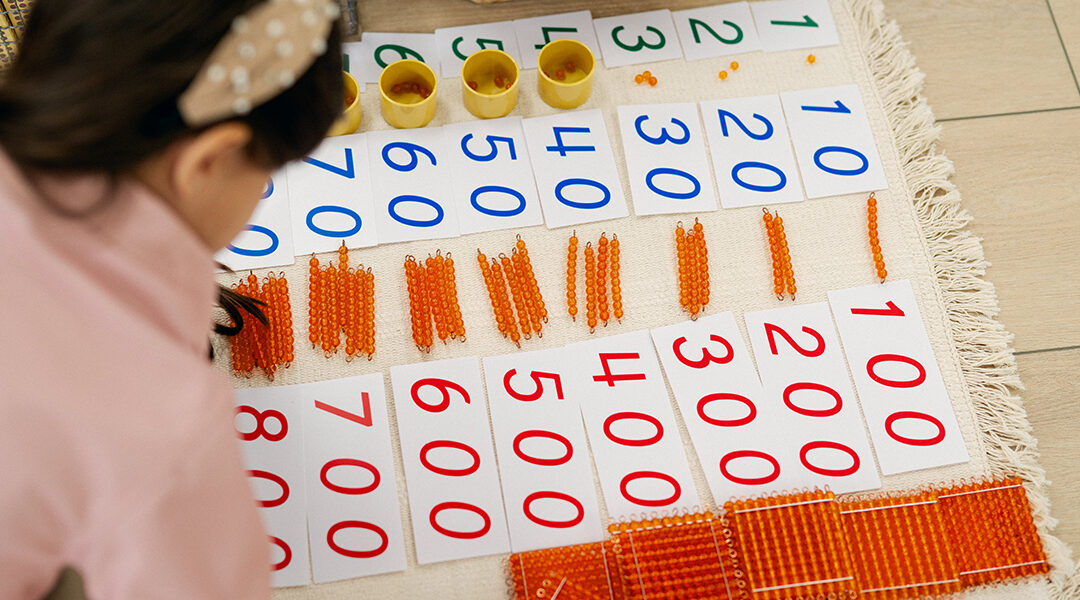
Hands-on activities that include building, experimenting, and presenting are core to project-based learning in elementary schools. Active participation improves engagement and memory retention.
The work helps students connect abstract concepts to tangible outcomes while supporting diverse learning styles.
Understand Alignment With Montessori Philosophy
Montessori education emphasizes independence, meaningful work, and real-world relevance. Project-based learning aligns naturally with these principles. Students work for extended periods, repeat processes to mastery, and integrate subjects organically. Teachers observe and guide rather than direct every step.
Recognize the Role of Structure in Success
Effective projects include clear goals, timelines, and assessment tools. Rubrics, checkpoints, and feedback maintain academic rigor. Proper structure gives students freedom to flourish without confusion. Teachers can measure progress accurately when students understand expectations clearly.
Address Questions About Academic Foundations
Parents often ask whether projects support literacy and math development. Strong programs integrate explicit instruction within projects. Students practice reading comprehension, writing mechanics, computation, and reasoning consistently. Teachers monitor progress and intervene early when gaps appear.
Observe Quality Indicators in the Classroom
Authentic project-based classrooms produce the tangible effects of learning over time. Student work shows drafts, revisions, and reflection notes. Children explain choices confidently. Teachers facilitate discussion rather than dominate instruction. The environment feels focused and purposeful.
Support Emotional and Social Growth
Projects encourage perseverance and emotional regulation. Students regularly encounter obstacles and adjust strategies. Teachers model encouragement and problem solving. The process leads to improved resilience and confidence.
Examine How Assessment Works Inside Project-Based Learning
Project-based learning assessments focus on growth, understanding, and the application of new skills rather than on isolated test scores of temporary performance.
As each project begins, teachers set out clear learning goals and what success will look like. Students know what quality outcomes are before they begin. The process teaches planning skills, better decision-making, and honest self-monitoring.
Clear Criteria Guide Daily Work
Transparent rubrics outline expectations for:
- Content knowledge
- Communication
- Collaboration
- Process skills
These tools form the foundation of each student’s research, building, writing, and presenting. Teachers continuously observe progress and offer timely feedback through conferences, check-ins, and small-group instruction.
Reflection Strengthens Ownership
Assessment includes structured reflection at multiple points. Students explain which strategies supported success, identify challenges, and describe how revisions improved outcomes. This practice builds metacognition and accountability.
Peer feedback adds another layer of learning, as students practise giving specific, respectful input and responding thoughtfully to suggestions.
Standards Remain Central
Projects connect directly to academic standards. Reading comprehension, writing clarity, mathematical reasoning, and research skills receive focused attention during project work. Teachers plan targeted mini-lessons when evidence shows gaps.
Practice occurs in a meaningful context rather than disconnected drills. Drafts, journals, and revision notes document learning progress clearly over time.
Transparency Benefits Families
Families see how learning develops across weeks rather than through a single score. Clear documentation highlights strengths, reveals needs, and shows effort alongside achievement. Students gain confidence because expectations stay visible and feedback remains consistent. Assessment becomes an integral part of learning, not a separate event.
Connect Learning to the Miami Lakes Community
Projects often draw inspiration from local culture and environment. Students might study ecosystems, architecture, or traditions connected to Miami Lakes. Project-based learning in elementary school becomes more relevant and community-focused.
Contact Montessori Children’s House of Miami Lakes To Explore Project-Based Learning
Project-based learning in elementary schools offers an engaging approach that appeals to students and parents alike. The process strengthens academics, independence, and confidence.
Montessori Children’s House of Miami Lakes implements a project-based approach to foster growth and curiosity in the classroom, teaching responsibility, collaboration, and thoughtful exploration every day.
Families interested in a thoughtful, academically grounded approach to elementary education can learn more by connecting with Montessori Children’s House of Miami Lakes. Call (305) 823-5632 to ask questions, schedule a visit, or discuss how project-based learning supports your child’s growth.