Key Takeaways
- Children who learn about leadership in elementary schools often develop other vital skills, especially in the areas of communication and problem solving.
- Classrooms that focus on building leadership qualities in children can enhance the school’s culture and a student’s learning environment.
- Students take the leadership skills they learn and use them to grow into influential members of society.
Every parent wants their child to succeed and receive a well-rounded education. One key trait is integral to achieving both of these goals. When students learn about leadership in elementary schools, they’ll build skills that will help in various aspects of their lives, both in childhood and adulthood.
Take a closer look at the importance of leadership in schools and the learning environments that best foster this skill.
How Micro Elementary Schools in Miami Lakes Shape a Child’s Education
Some children who learn in traditional classrooms struggle because of the structured environment. Large class sizes and a lack of individualized attention can also be detrimental. Parents who enroll their children in micro elementary schools in Miami Lakes don’t have to worry about these issues.
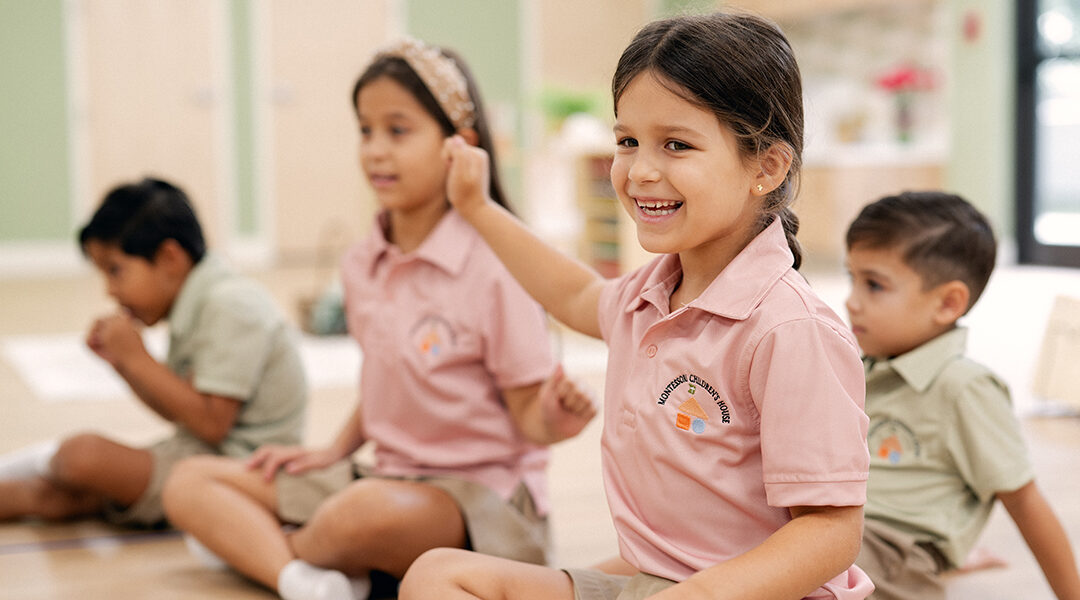
These scaled-down classrooms adopt the Montessori philosophy. Children benefit from hands-on learning with an adult guide. The curriculum in these schools typically centers around language, mathematics, cultural studies, sensory skills, and practical life skills.
In this environment, students learn at their own pace and benefit from the personalized attention. A balance of educational and real-life skills sets them up for future success.
Exploring the Different Types of Student Leadership in Elementary Schools
Many people often associate the word “leader” with important roles in teams or organizations, such as a business CEO or sports team captain. Succeeding in this role may boil down to the skills taught on a smaller level. Elementary-age children in traditional schools may get their first taste of what it’s like to be a leader when they’re selected to serve as a classroom monitor or a line leader.
As children grow and become more comfortable in a leadership position, their responsibilities may increase. They could go on to serve on the school’s student council, represent a club or sports team, or even tutor other students.
While Montessori schools don’t follow the same structure, they also present unique opportunities for children to develop leadership skills.
How Does a Montessori Program Foster Student Leadership Skills?
The Montessori philosophy makes for successful early childhood leadership programs. Montessori schools foster a child’s leadership skills by encouraging them to learn and act independently. This approach to early education can have an incredible impact on a child’s development.
These classrooms often include children between the ages of 3 and 6 for primary education and students aged 6 to 9 in a lower elementary program. Just by being with younger peers, older students will naturally learn to lead by example. Younger kids benefit from their exposure to more mature students before assuming leadership roles themselves.
Practical life skills are a core element of the Montessori curriculum. Whether children are learning to put away school supplies or care for a class plant, they inadvertently develop independent leadership skills.
Learning Leadership in Elementary Schools Enhances Other Crucial Skills and Qualities
There’s no doubt that developing leadership skills in school has a profound impact on elementary-age students. But did you know that they’ll also grow in other key areas? Check out some of the essential traits and skills that your child could foster as a result.
Students Learn To Actively Listen and Express Empathy
In a traditional classroom, the teacher sets the tone for how students interact with each other. Scolding them when issues arise may only be a temporary solution. Montessori programs take a different approach to conflict resolution, which ultimately teaches kids to listen to others and remain respectful.
Imagine two students start arguing during an activity. Instead of ordering them to act a certain way, Montessori guides help them through the conflict resolution process. This approach encourages them to express their feelings, listen to others, and reach a solution mutually.
Children Will Take Initiative
Developing strong leadership in elementary schools enables students to take the initiative. Montessori settings are particularly helpful in this regard since students are given the opportunity to take learning into their own hands.
Guides will merely observe and encourage them when needed. Children can also select their own activities aligned with the curriculum. When doing so, they’ll dive right into the activity rather than waiting for a teacher to give them directions or dictate how they should proceed.
Montessori Classrooms Help Children Develop Problem-Solving Skills
Limited forms of leadership in elementary schools could cause kids to fall behind in terms of problem-solving skills. For example, a classroom monitor in a traditional school may be in charge of making sure items are put away. However, when only one student holds this position, the others don’t receive the same benefits.
Montessori programs go a step further by enabling all students to solve various problems that arise within their independent learning and collaborative activities. Children will develop problem-solving skills in how they interact with others, particularly regarding conflict resolution.
Students Take Accountability
The independent learning principles of Montessori schools prompt students to take accountability for their actions. When young children are left to take charge of their responsibilities, such as cleaning up the classroom, they’ll also learn some of the key skills of a good leader. Kids in this setting often learn to be resilient, which can be incredibly valuable for their development.
Consider a Hands-On Montessori Program for Your Child
A focus on leadership in elementary schools is incredibly important, along with the growing role of technology available to young students. A micro elementary school program could be the best way for your child to thrive in the classroom.
Montessori Children’s House of Miami Lakes offers a micro elementary school program for children between the ages of six and nine. To learn more about our approach and educational opportunities, call (305) 823-5632 today.