A child’s early years are full of new experiences, which can become overwhelming at times. One of the best ways to help your child develop a sense of self, independence, and security at an early age involves establishing routines for them.
The structure of a daily routine for kids removes some of the guesswork about their activities and provides a foundation for educational, emotional, social, and cognitive development.
As a parent, you have the responsibility of creating a comfortable routine for your child at home, but what about when they’re at school? Will they be able to keep a steady routine in the classroom?
In this post, you’ll discover the importance of routines in early childhood and how Montessori schools help foster them. You’ll also learn how to incorporate routines at home to strengthen your young child’s educational foundation further.
If you’re ready for your child to experience the benefits of consistent early childhood schedules firsthand, at a Miami Lakes children’s Montessori, contact Montessori Children’s House of Miami Lakes by calling (305) 823-5632.
Why Choose a Montessori Preschool in Miami Lakes?
At a Miami Lakes Montessori preschool, you’ll find a supportive educational environment that allows children to take the lead in their learning process. The environment encourages hands-on learning through play, practical life activities, and materials that match each child’s individual interests.
In a Montessori school, your young child can explore their curiosities and embrace their independence. Through purposeful learning, your preschooler can better grasp cultural studies, math, writing, and science as they get older.
You can expect the following inside a Montessori classroom for preschoolers in Miami Lakes:
- Access to learning materials that encourage repetition, which helps build a routine for kids
- Open shelves with easy access to learning materials that allow students to work independently
- A steady progression from simple materials to complex ones to support the natural learning process
- A calm atmosphere with educators who offer guidance when necessary, instead of providing adult direction that can hamper curiosity
Why Routines Are Important in Early Childhood Classrooms
You’re not the only parent curious about the role of routine for kids or its importance. The simple truth is that young children appreciate predictability, which is what a routine provides. When they know what to do and what to expect, they feel more stable, secure, and engaged in their environment.
Children who feel stable are more likely to develop good habits. The stability and confidence they develop by following routines also encourage them to be independent and curious, which fosters learning.
Montessori schools understand the connection between routines and early childhood development. Because these classrooms allow students to participate in activities that follow their interests without teachers driving the lessons, routine and structure become crucial for the learning environment.
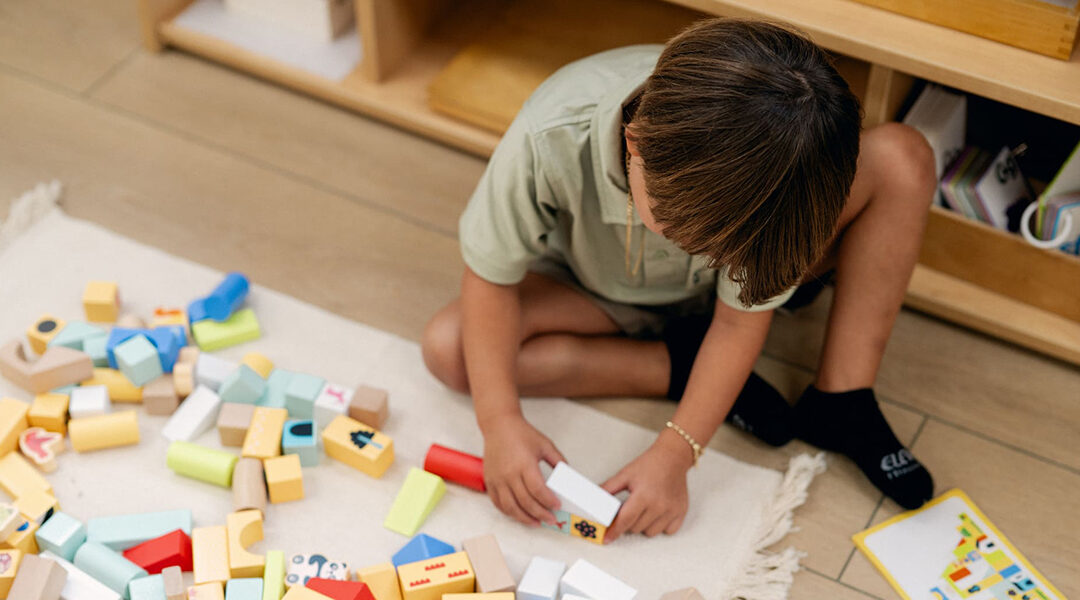
Children have the freedom to explore their curiosities and learn in the process, but routines are still in place. For instance, they are free to play with building blocks, a paint set, or anything else that drives their interest. However, the classroom routine may require them to clean everything up before having lunch.
The Benefits of Incorporating Routines in Your Child’s Early Years
A daily routine for kids can do the following for preschoolers:
Build Confidence and a Sense of Security
Children thrive when their environments aren’t unpredictable. When they fall into the rhythm of doing the same things daily, such as attending preschool, participating in activities, having a meal, and then resting, they feel safer.
The predictability fosters security, which often translates to self-confidence. This confidence helps the students explore more things and take risks, which offer hands-on learning experiences.
Learn Multiple Skills
Routines can take many forms and teach preschoolers numerous valuable life skills. Even though your child may not be aware while learning, they are indeed learning.
For instance, the routine of brushing their teeth in the morning, tying their own shoes, and putting their belongings away after using them teaches children over time how to take care of themselves. Even playing games with their classmates can teach children how to socialize and solve problems.
Enhance the Child’s Ability To Self-Regulate
Young children often have difficulty regulating their feelings because they’re constantly experiencing new people, activities, sights, and emotions. Implementing a routine for kids provides some daily organization that helps them develop self-control.
Children can better control their emotions when they know what to expect. This skill is integral to managing stress and tackling challenges when they’re older.
Support Their Independence
Although Montessori schools have teachers who offer guidance and assist with learning, the classrooms aren’t instructor driven. Students can explore independence under the attention of a skilled educator, which helps them take ownership of everyday tasks.
Something as simple as preparing for snack time or cleaning up after an activity repeatedly helps young children lean into independence in a controlled environment. Eventually, the skills they learn will become natural habits that will follow them as they age.
Boost Cognitive Skills
School centers around learning, and routines at Montessori schools excel at that. Routines and structured activities target problem-solving, sequencing, and memory, which help sharpen children’s cognitive abilities. The learning patterns and focus they develop in early childhood lay the foundation for academic readiness later in life.
Establish Relationships and Connections With Peers
Through independence, a child can have a better grasp of their identity and who they are. That sense of self can help them nurture social connections, especially when a routine is in place involving consistent interaction with classmates.
Shared routines in a classroom may include cleaning up play spaces as a group or playing a game with classmates. The daily interactions foster a sense of community, a better understanding of social norms, and a sense of belonging to a group.
Foster Responsibility and Respect
Being respectful of the learning environment is a cornerstone of Montessori education. That means children are responsible for returning their learning materials to their proper homes, helping their classmates, and cleaning up after themselves.
Responsibility, respect, and routines go hand in hand. When students take responsibility for their classrooms by following structured yet flexible routines, they become more respectful of their environment and peers naturally.
How Professional Montessori Educational Strategies Help Preschoolers Develop Routines
The Montessori learning style for preschoolers focuses on early childhood development. It nurtures the child’s critical thinking skills and helps them learn independently instead of simply following instructions from their teachers. We maintain a routine for kids at all times; however, the routine isn’t too rigid.
At a Montessori preschool, students can participate in the activities that draw their interest, but routines create boundaries within those activities. This harmonious balance lets preschoolers explore and learn safely in a predictable environment.
Children also engage in practical life activities in Montessori classrooms. Examples include cleaning play areas, setting tables for meals, and watering classroom plants. These activities are part of the routine, helping children feel secure, become confident, and gain independence as they learn.
Tips for Building Routines at Home for Your Child
A routine for kids isn’t just for Montessori classrooms. As a parent or guardian, you can incorporate them into your household as well. Here’s what you can do to start building a routine that works for you and your young child.
Start Small
The key to developing a flexible routine that contributes to your child’s early development begins with starting small and building over time. For instance, you can start a routine that focuses only on morning habits, such as getting dressed for school, setting the table for breakfast, and tidying up afterward.
Over time, you can add more responsibilities or expand the routine to include other parts of the day, such as lunchtime or bedtime. The shifts should occur gradually after your child gets comfortable in their current routine.
Involve Your Child
Did you know that your child is more likely to participate in a routine willingly when they feel involved in the process? At home, talk with your child and allow them to pick tasks they want to be responsible for completing.
For instance, you can ask them if they want to get dressed before or after they brush their teeth in the morning before school. A simple question can give your child a sense of ownership of that task, making it more enjoyable to follow your routine.
Use Visual Aids
Many young children are visual learners, so it helps to use visual aids as you establish your household’s daily routine. Anything from pictures to charts can help them understand the expectations for daily activities.
Invest in Your Preschooler’s Future With a Montessori Education
Whether you’re interested in fostering independence through predictable environments for your preschooler or enhancing their cognitive skills, a Montessori school can provide the educational environment you seek. The school’s structured yet adaptable schedules and practical life activities assist in creating a stable routine for kids that can build their confidence, security, and skills.
If you’re ready to explore Montessori learning environments for your young child, consider Montessori Children’s House of Miami Lakes. Our facility blends immersive, play-based experiences that foster each child’s unique journey to self-discovery and learning while fostering their curiosity.
Enrolling your child in our Montessori program can have immense benefits as they develop vital skills through independent learning. We’re committed to helping every student learn at their own pace.
To learn more about the importance of Montessori classroom routines or to schedule a tour of our school in Miami Lakes, call (305) 823-5632.