
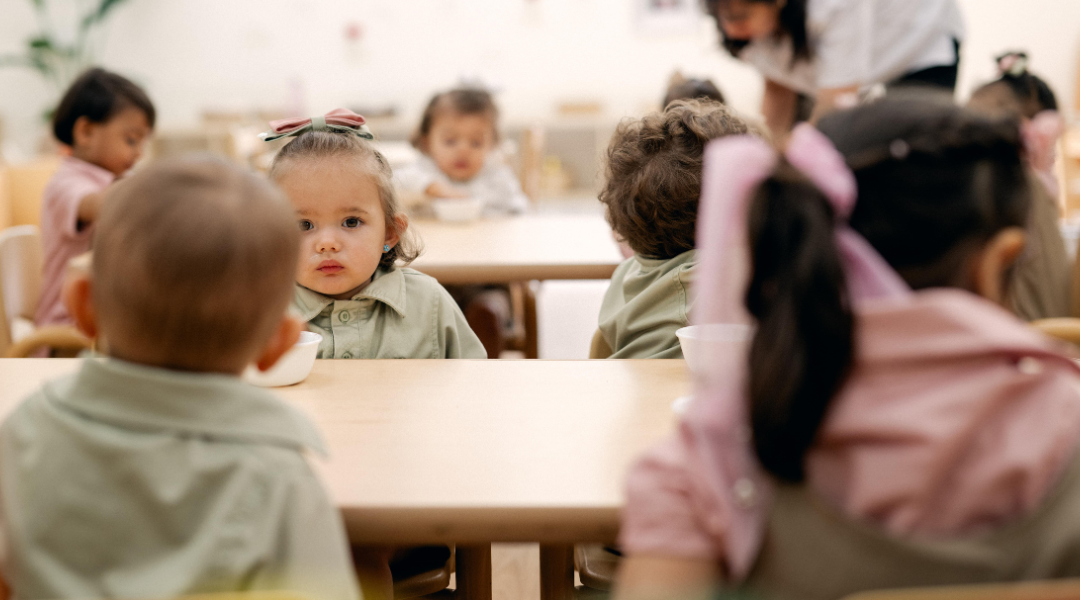
A comprehensive back-to-school checklist for preschool parents includes securing enrollment documents, purchasing age-appropriate supplies, establishing consistent sleep routines, updating immunization records, and scheduling parent-teacher orientations to ensure a smooth transition into the new academic year. Preparing your child for preschool requires thoughtful planning that addresses both practical logistics and emotional readiness, creating a foundation for confidence and success in their early learning journey.
The return to preschool brings excitement and anxiety for families across Miami Lakes and the surrounding communities. Parents juggle supply lists, paperwork deadlines, and their child’s emotional preparation while managing their own schedules and concerns. A structured approach transforms this potentially overwhelming period into an organized, stress-free experience that sets your child up for a successful year.
This guide walks you through every essential step, from documentation to developmental preparation, with specific attention to the unique needs of South Florida families.
Essential Documentation and Enrollment Requirements
Preschools in Florida require specific health and enrollment documents before the first day of class. Missing paperwork causes delays and prevents children from starting on time, making early preparation crucial for a seamless transition.
Required Documents Checklist
- Current immunization records: Florida Department of Health form 680 with up-to-date vaccinations including MMR, DTaP, polio, and varicella
- Physical examination form: Completed by a licensed physician within the past 12 months
- Birth certificate: Official state-issued copy showing your child’s full legal name and date of birth
- Proof of residence: Recent utility bill, lease agreement, or mortgage statement showing your Miami Lakes address
- Emergency contact information: At least three individuals authorized to pick up your child, including full names, relationships, and phone numbers
- Allergy and medical needs form: Detailed information about dietary restrictions, medication requirements, and special accommodations
- Custody documentation: Court orders or custody agreements if applicable to your family situation
Schedule medical appointments early, as pediatricians throughout Miami-Dade County often book weeks in advance during summer months. Keep copies of all documents in both digital and physical formats to avoid last-minute scrambles.
School Supplies and Daily Essentials
Every preschool provides a specific supply list, but certain items remain standard across programs. Purchasing quality materials appropriate for your child’s age ensures they can participate fully in classroom activities and maintain comfort throughout the day.
Core Supply List
| Category | Items Needed | Quantity |
| Clothing | Extra outfit (shirt, pants, underwear, socks) | 2 complete sets |
| Outdoor | Sunscreen (SPF 30+), hat with brim | 1 each |
| Meal Time | Insulated lunch box, reusable water bottle, ice packs | 1 each |
| Rest Time | Small blanket, fitted crib sheet (if required) | 1 each |
| Hygiene | Diapers/pull-ups (if needed), wipes, hand sanitizer | As needed |
| Storage | Labeled backpack (no wheels) | 1 |
Miami Weather Considerations
- Pack lightweight, breathable cotton clothing suitable for indoor air conditioning and outdoor humidity
- Choose closed-toe shoes with non-slip soles for playground safety during frequent afternoon rain showers
- Include a light rain jacket in your child’s backpack year-round
- Select moisture-wicking fabrics that dry quickly in South Florida’s tropical climate
Label every item with your child’s name using a permanent marker or iron-on labels. Stores throughout Miami Lakes, including Target on NW 154th Street and Walmart on Palm Avenue, carry affordable labeling solutions and preschool supplies.
Establishing Healthy Routines Before School Starts
Children thrive on predictability and structure. Beginning school-year routines two to three weeks before the first day allows your child to adjust gradually, reducing first-day stress and improving classroom behavior.
Sleep Schedule Adjustment
According to the American Academy of Sleep Medicine, children ages 3 to 5 should regularly receive 10 to 13 hours of sleep each day, including naps, to support healthy growth, learning, attention, and emotional regulation. Establishing this routine several weeks before school begins can make the transition considerably smoother.
- Week Three Before School: Identify your ideal bedtime and wake-up time based on school start time
- Week Two: Begin adjusting bedtime in 15-minute increments, starting the bedtime routine earlier each night
- Week One: Practice the full morning routine including breakfast, dressing, and leaving the house at school time
- Final Days: Complete dry runs of the entire school day schedule from wake-up through pickup time
Daily Routine Framework
- Morning: Consistent wake time, bathroom routine, breakfast, getting dressed, reviewing the day’s plan
- After School: Snack time, outdoor play or physical activity, quiet time, family dinner
- Evening: Bath time, story reading, calm activities, consistent bedtime
Miami’s year-round warm weather permits outdoor play in the early morning or evening hours. Parks throughout Miami Lakes, including Royal Oaks Park and Main Street Park, provide safe spaces for children to burn energy and practice social skills before the school year begins.
What We See Every August
Every school year begins a little differently for every child. Some walk into the classroom ready to explore immediately, while others prefer to stay close to a parent during the first few minutes. Our teachers often see these differences disappear surprisingly quickly once children become familiar with the classroom routines and begin building relationships with their classmates. By the end of the first week, many children who were initially hesitant are confidently choosing activities, greeting their teachers, and participating in circle time with enthusiasm.
Emotional Preparation and Social Readiness
The social and emotional transition into preschool matters as much as physical preparation. Children who feel confident and excited about school adapt more quickly and develop positive associations with learning environments.
Building School Excitement
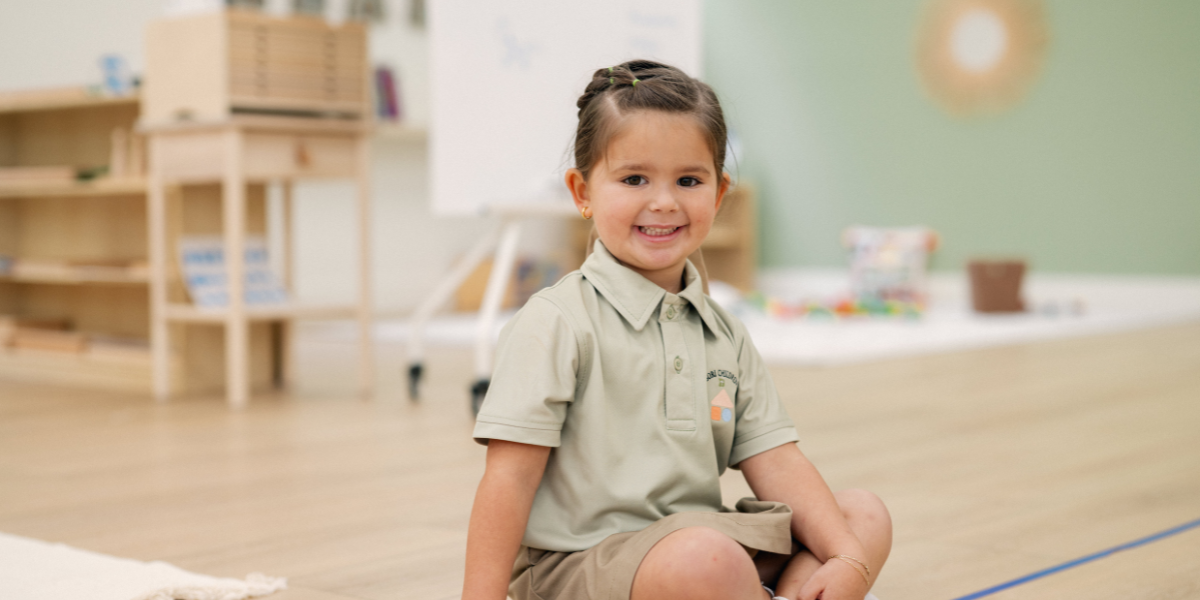
- Read age-appropriate books about starting preschool, such as “The Kissing Hand” or “Llama Llama Misses Mama”
- Visit the school building and playground before the first day, if tours are available
- Talk positively about teachers, new friends, and fun activities your child will experience
- Role-play school scenarios including circle time, snack sharing, and asking for help
- Shop together for school supplies, letting your child choose a special backpack or lunch box
- Create a visual calendar counting down to the first day with stickers or drawings
Independence Skills to Practice
Children who can manage basic self-care tasks experience greater confidence and success in preschool settings. Focus on these developmentally appropriate skills during the weeks before school starts:
| Skill Area | Age 3 | Age 4-5 |
| Bathroom | Communicate needs, wash hands | Independent toileting, proper wiping |
| Eating | Use utensils, drink from cup | Open containers, clean up spills |
| Dressing | Pull pants up/down, put on shoes | Manage buttons, zippers, tie shoes |
| Social | Take turns, share toys | Use words for conflicts, follow multi-step directions |
Practice these skills consistently but without pressure. Children develop at individual paces, and quality preschool programs support learners at every level.
What We Notice During the First Weeks of Preschool
One thing our teachers consistently observe is that children who have practiced simple routines at home—such as hanging up their backpack, washing their hands independently, and putting away personal belongings—often feel more comfortable during the first few days of school. These familiar routines help children focus less on logistics and more on exploring their classroom, meeting new friends, and engaging in learning activities.
Communication with Teachers and School Staff
Strong parent-teacher partnerships create the best outcomes for children. Establishing open communication channels before school starts prevents misunderstandings and helps teachers personalize their approach to your child’s unique needs.
Questions to Ask Before the First Day
- What does a typical daily schedule include, and how much time is dedicated to outdoor play versus structured learning?
- How does the school communicate daily updates—through apps, written notes, or verbal check-ins during pickup?
- What is the school’s approach to discipline, conflict resolution, and behavioral guidance?
- How does the program accommodate different learning styles and developmental stages?
- What opportunities exist for parent involvement throughout the school year?
- How should parents handle separation anxiety or adjustment difficulties if they arise?
Information to Share with Teachers
- Your child’s personality traits, interests, and favorite activities
- Any ongoing developmental concerns or areas where your child needs extra support
- Family circumstances that might affect your child’s behavior or emotions
- Cultural or religious considerations relevant to daily activities
- Your child’s comfort items or strategies that help during transitions
Montessori-based programs emphasize individualized learning paths and close observation of each child’s interests and abilities. When searching for a preschool near me in Miami Lakes, prioritize programs that demonstrate genuine interest in understanding your child’s unique qualities and learning style.
During classroom observations, our teachers often find that children adjust more smoothly when parents share small details about their routines, interests, or comfort strategies before the first day. Something as simple as knowing a child’s favorite story or how they prefer to be comforted can help build trust during those early transitions.
Health, Safety, and Emergency Preparedness
Preschool health protocols protect entire communities from illness while ensuring children with medical needs receive proper care. Understanding these policies helps you make informed decisions and respond appropriately when health situations arise.
When to Keep Your Child Home
- Fever of 100.4°F or higher within the past 24 hours
- Vomiting or diarrhea within the past 24 hours
- Unexplained rashes or skin infections
- Pink eye with discharge until 24 hours after treatment begins
- Severe cold symptoms preventing participation in activities
- Any contagious illness until cleared by a physician
Emergency Preparedness Checklist
- Ensure emergency contact information remains current with multiple backup contacts
- Provide written authorization for specific adults permitted to pick up your child
- Supply necessary medications with proper storage instructions and authorization forms
- Review the school’s emergency procedures for severe weather, lockdowns, and evacuations
- Keep backup clothing, diapers, and comfort items stocked at school
Miami-Dade County experiences hurricane season from June through November. Verify that your child’s school has comprehensive emergency plans and that you understand communication protocols during severe weather events.
Frequently Asked Questions
When should I start preparing my child for the first day of preschool?
Begin preparation three to four weeks before school starts by adjusting sleep schedules, establishing routines, and building excitement through positive conversations and books. This timeframe allows gradual adjustment without overwhelming your child, making the transition feel natural rather than abrupt.
What if my child experiences separation anxiety on the first day?
Separation anxiety is developmentally normal, and the best predictor of how smoothly it resolves is usually the prep work done in the weeks before school starts — not anything that happens on day one itself. Families who’ve kept a consistent bedtime and morning routine, practiced a short goodbye phrase at home, and avoided over-hyping the first day tend to see anxiety fade faster than families starting cold. If you haven’t built that lead-in yet, start the routine adjustments at least a week out rather than the night before — a rushed transition at home tends to show up as a rougher one at drop-off.
How much should I spend on preschool supplies?
Basic preschool supplies typically cost between $50 and $150 depending on what the school provides. Purchase only items from the school’s official list, choosing durable options for frequently used items like backpacks and water bottles. Many Miami Lakes retailers offer back-to-school sales in July and August.
Should I arrange playdates with future classmates before school starts?
Familiar faces ease first-day jitters, making pre-school playdates beneficial when possible. Contact the school office to connect with other families, or attend any summer orientation events. Even one familiar peer helps children feel more comfortable entering the classroom on opening day.
What vaccination records does Florida require for preschool enrollment?
Florida requires documentation of DTaP, polio, MMR, varicella, and Hepatitis B vaccines on the Department of Health form 680. Children must have age-appropriate doses before enrollment, with religious or medical exemptions requiring specific documentation. Consult your pediatrician early to ensure compliance with state requirements.
Start the School Year with Confidence the Montessori Way
Thorough preparation transforms back-to-school season from stressful to exciting. By establishing routines, encouraging age-appropriate independence, and preparing your child emotionally before the first day, you’re helping build the confidence that Montessori classrooms are designed to nurture.
For 53 years, our school has welcomed families from throughout Miami Lakes and neighboring communities. While our beloved institute entered a new chapter in the summer of 2023 under the dedicated care of Vanessa and her family, our foundational legacy remains unbroken. One consistent lesson we’ve carried forward since 1973 is that children thrive when preparation begins well before the first day of school.
Montessori Children’s House of Miami Lakes provides families with a spiritually enriched, high-quality learning environment that celebrates each child’s uniqueness. Our Montessori-based approach emphasizes independence, respect for natural development, and individualized learning paths that help children thrive academically and personally while building strong partnerships with families throughout the Miami Lakes community.
Ready to give your child an exceptional preschool experience? Contact Montessori Children’s House of Miami Lakes at (305) 823-5632 or schedule a tour of our campus at 6381 Miami Lakeway N, Miami Lakes, FL 33014, to meet our dedicated Montessori teachers and discover how we help children build confidence and develop independence.