
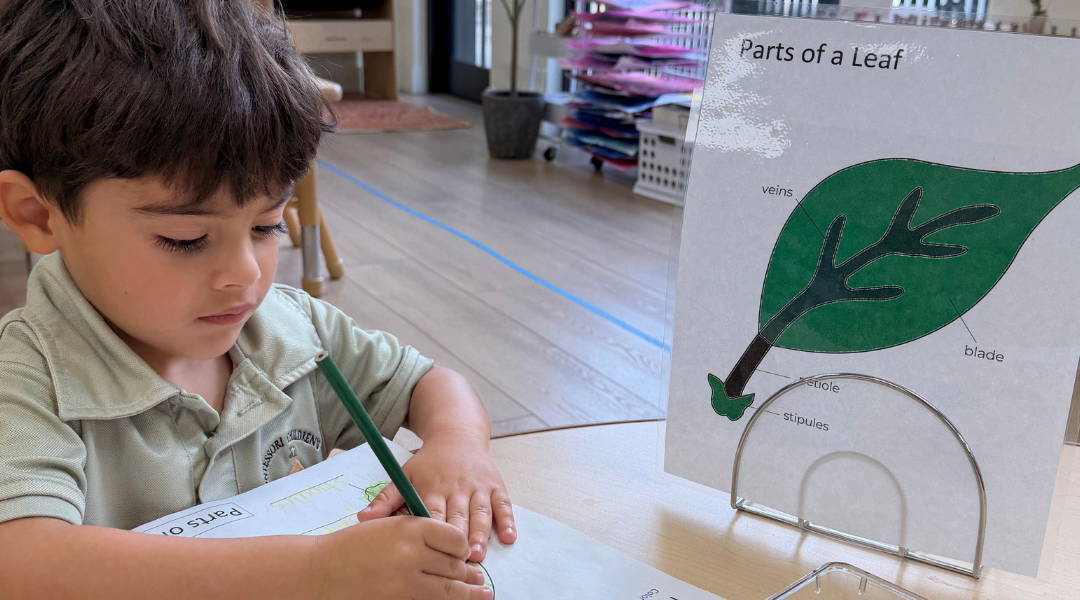
Preschool readiness depends on emotional, social, and cognitive milestones far more than chronological age alone. A child may be three years old and not yet ready, while another two-and-a-half-year-old may thrive in a structured environment. True readiness shows up in how children manage separation, communicate needs, interact with peers, and demonstrate curiosity about learning—skills we observe daily at our Montessori preschool in Miami Lakes.
Why Age Alone Doesn’t Determine Preschool Readiness
Age cutoffs exist for administrative convenience, not developmental truth. Children develop at vastly different rates, influenced by temperament, prior social exposure, language development, and family dynamics.
In our two decades serving families throughout Miami Lakes and the surrounding communities, we have seen siblings from the same household reach preschool readiness months or even a year apart. One four-year-old may still struggle with transitions, while a younger sibling confidently navigates circle time and group activities.
Physical age tells you when a child was born. Developmental readiness tells you when they can benefit from structured learning.
Emotional and Social Readiness Indicators: Signs 1–10
Emotional regulation and social comfort form the foundation for preschool success. A child who can manage feelings, separate from caregivers, and engage with peers will adapt far more easily than one who meets only age requirements.
Core Emotional Signs
- Separates from parents without prolonged distress: Brief tears at drop-off are normal, but the child recovers within minutes and engages with the classroom.
- Expresses needs verbally or through gestures: Can communicate hunger, bathroom needs, or discomfort without melting down.
- Tolerates minor frustrations: When a toy isn’t available or an activity ends, the child can move on with minimal support.
- Shows interest in other children: Watches peers, approaches them, or attempts parallel play even if true cooperative play hasn’t emerged yet.
- Follows simple routines at home: Participates in cleanup, mealtime rituals, or bedtime sequences with minimal resistance.
We have witnessed children in our Miami Lakes community arrive with strong emotional foundations built through consistent home routines and secure attachments. These children transition smoothly because they trust adults to meet their needs and can tolerate brief discomfort.
Social Engagement Markers
- Notices when others are upset and may offer comfort
- Takes turns with adult guidance
- Engages in pretend play scenarios
- Responds to their name and simple group instructions
- Shows curiosity about peers’ activities
Physical Independence and Self-Care Skills: Signs 11–15
Preschool classrooms function best when children handle basic self-care independently. While accidents and learning moments still occur, foundational skills reduce frustration for both child and teacher.
| Skill Area | Readiness Indicator | Why It Matters |
| Toileting | Uses toilet independently or communicates need clearly | Reduces anxiety and allows focus on learning activities |
| Dressing | Puts on shoes, jacket, or attempts buttons and zippers | Builds confidence during transitions and outdoor play |
| Feeding | Uses utensils, drinks from cup, tries varied foods | Supports group mealtimes and nutritional exploration |
| Hygiene | Washes hands with reminders, wipes nose when prompted | Maintains health standards in group settings |
In our Montessori environment, we emphasize independence from the earliest age. Children practice pouring, spooning, and self-care through purposeful activities that build fine motor control and autonomy.
Our teachers have learned that many parents underestimate what their children can do independently. During classroom visits, it’s common to see children pour their own water, return materials to their proper place, or attempt to zip a jacket on their own when given the time and encouragement to try. Those small moments often reveal a child’s growing readiness for preschool.
Motor Development Milestones
- Climbs stairs alternating feet
- Runs and stops without falling frequently
- Manipulates small objects like puzzle pieces or chunky crayons
- Scribbles with intention or attempts to draw simple shapes
- Kicks, throws, and catches balls with emerging coordination
Cognitive and Language Readiness Signals: Signs 16–25
Academic learning in preschool builds on communication skills and cognitive curiosity. Children don’t need to know letters or numbers, but they should demonstrate interest in stories, questions, and exploring their environment.
Language and Communication
- Uses two- to four-word phrases consistently: May not speak perfectly, but communicates ideas others can understand.
- Follows two-step directions: “Get your backpack and line up at the door” makes sense and the child attempts compliance.
- Asks “why” and “what” questions: Demonstrates curiosity and seeks information from adults.
- Listens to short stories: Sits for a picture book and makes comments or predictions about the narrative.
- Identifies familiar objects and pictures: Names common items like animals, foods, or household objects.
Language development varies widely, especially in multilingual households common throughout Miami. Children learning English and Spanish simultaneously may mix languages initially but demonstrate strong overall communication intent.
Cognitive Curiosity Markers
- Shows sustained interest in activities for 5-10 minutes
- Completes simple puzzles or matching games
- Sorts objects by color, size, or type with guidance
- Remembers and refers to recent events (“We went to the park yesterday”)
- Engages in symbolic play (a block becomes a phone, a scarf becomes a cape)
Behavioral Readiness and Classroom Adaptation: Signs 26–31
Group learning requires children to share space, materials, and adult attention. Readiness shows up in how a child responds to boundaries, transitions, and the natural rhythms of a classroom day.
Last year, a parent brought her daughter to tour our Miami Lakes campus. The child was technically old enough for our program but had spent her entire life in one-on-one care with a grandparent. During the visit, she clung to her mother, refused to make eye contact with other children, and cried when asked to sit for a group activity. We recommended waiting six months while the family introduced playdates and library story times. When she enrolled later, she thrived because those intervening months built the social foundation she needed.
Behavioral Readiness Checklist
- Responds to gentle redirections without escalating
- Transitions between activities with minimal resistance
- Sits for group activities for short periods (5-10 minutes)
- Shares adult attention with other children
- Explores new spaces and materials with curiosity rather than fear
- Recovers from disappointment within a reasonable timeframe
Children entering preschool don’t need perfect behavior. They need enough flexibility to adapt to structure, enough self-regulation to pause before acting, and enough resilience to recover when things don’t go their way.
What Preschool Readiness Looks Like in Practice
Readiness isn’t about mastering every skill. It’s about having enough foundation in each developmental area that a child can participate, learn, and grow within a group setting.
| Developmental Area | Ready | Not Yet Ready |
| Separation | Brief tears, recovers in 5-10 minutes | Prolonged distress, cannot be comforted by teachers |
| Communication | Uses words, gestures, or signs to express needs | Relies entirely on crying or physical actions |
| Social Interest | Watches or approaches peers, attempts interaction | Ignores or withdraws from all peer contact |
| Self-Care | Manages most toileting, feeding, dressing with minimal help | Requires complete adult assistance for all care tasks |
| Behavior | Responds to redirection, recovers from frustration | Frequent aggression, prolonged tantrums, refuses all boundaries |
We emphasize to families that preschool readiness exists on a spectrum. Some children arrive ready in four areas but need support in one. Our Montessori approach allows us to meet children where they are and guide them toward independence at their own pace.
How to Support Your Child’s Readiness at Home
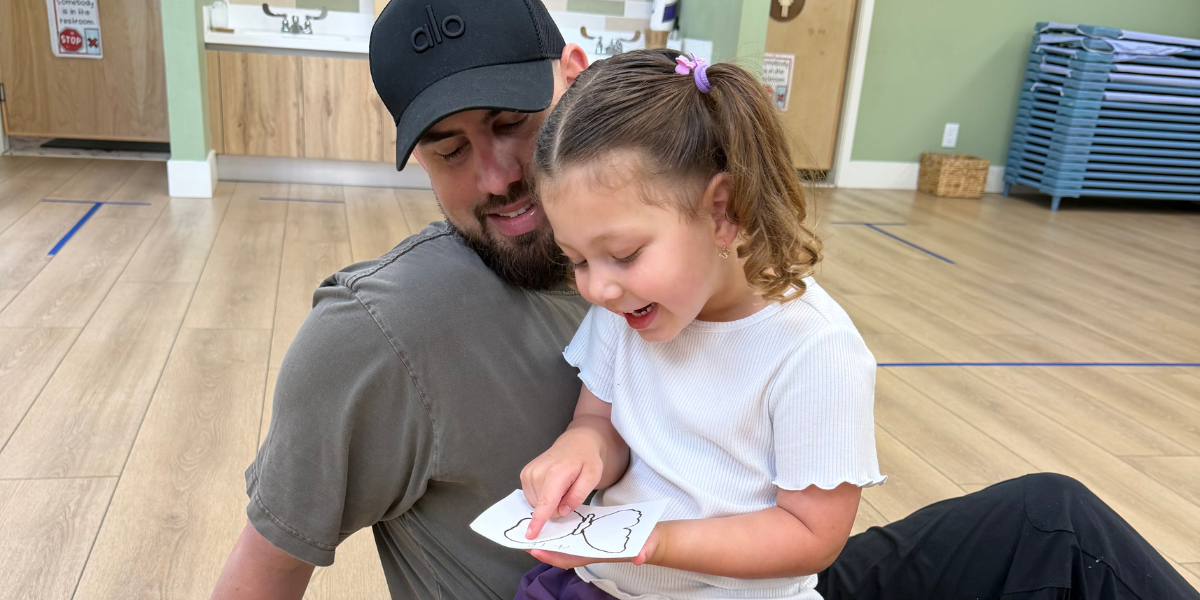
One of the most reassuring things we tell parents is that preschool readiness doesn’t happen overnight. We’ve seen children gain confidence through small, consistent experiences at home, and those incremental changes often make a remarkable difference once they begin preschool.
Parents can actively build preschool readiness through everyday routines and intentional practice. Small, consistent experiences at home create the foundation children need for group learning.
Practical Steps for Miami Families
- Visit child-friendly spaces regularly: Miami Lakes Optimist Park, local library story times, and indoor play spaces help children practice being around peers in supervised settings.
- Establish predictable routines: Consistent wake-up, meal, and bedtime sequences teach children to anticipate transitions and follow familiar patterns.
- Practice short separations: Leave your child with a trusted caregiver for brief periods, gradually extending the time as comfort grows.
- Encourage self-help skills: Let your child attempt tasks independently before offering help—putting on shoes, washing hands, or cleaning up toys.
- Read together daily: Picture books build vocabulary, listening skills, and the ability to focus on a shared activity.
- Facilitate peer interactions: Arrange playdates or visit parks during busy times so your child experiences sharing space and toys with others.
These activities don’t require special equipment or expertise. They simply require consistency and patience as your child builds the confidence and skills that make preschool a positive experience.
When to Wait and When to Enroll
Some children clearly demonstrate readiness, while others benefit from additional time at home or in a smaller care setting. Neither choice reflects failure—timing matters.
Consider waiting if your child shows several of these patterns consistently:
- Cannot tolerate separation even briefly without extreme distress
- Does not respond to their name or simple instructions
- Shows no interest in peers or actively avoids all social contact
- Requires constant one-on-one attention to remain regulated
- Lacks basic communication skills to express essential needs
Consider enrolling if your child demonstrates most readiness signs, even with some areas still developing. Preschool itself becomes a powerful environment for growth when children possess foundational skills. Our teachers provide individualized support as children master new abilities within the security of a structured classroom.
Frequently Asked Questions
What if my child is shy—does that mean they’re not ready for preschool?
Shyness differs from unreadiness. Shy children observe before engaging but can separate from parents, follow routines, and eventually warm to teachers and peers. Children not yet ready cannot regulate emotions sufficiently to participate even after a warm-up period. Shy children often flourish in Montessori environments where they can observe and engage at their own pace.
How long does preschool adjustment typically take?
Most children adjust within two to four weeks, with the first week being the hardest. Drop-off tears may continue for several days but should decrease in intensity and duration. If distress increases or remains severe beyond one month, consult with teachers to assess whether your child needs more time or additional support strategies.
Should I wait until my child is fully potty trained?
Many preschools require toileting independence, but “fully trained” varies. Children should reliably communicate bathroom needs and manage most steps independently, even if accidents occasionally happen. If your child still wears diapers throughout the day or shows no awareness of elimination, additional time may help both child and family.
Can preschool help my child develop readiness skills they haven’t mastered yet?
Yes, but foundational readiness must exist first. Preschool accelerates development in children who arrive with basic emotional regulation, communication, and social interest. Teachers cannot provide the intensive one-on-one support children need if they lack these foundations. Building readiness at home first positions your child to benefit fully from group learning.
What makes Montessori different for preschool readiness?
Montessori environments emphasize independence, self-paced learning, and practical life skills from day one. Children develop readiness abilities naturally through activities like pouring, buttoning, and caring for materials. Mixed-age classrooms allow younger children to observe older peers modeling skills. This approach meets children where they are developmentally rather than expecting uniform performance based on age.
Trust Developmental Readiness Over Arbitrary Deadlines
Preschool readiness emerges from emotional security, emerging independence, communication ability, and social curiosity. These signs matter far more than whether your child just turned three or won’t be three for several months.
At Montessori Children’s House of Miami Lakes, we have spent over two decades observing children’s developmental trajectories. We know readiness when we see it, and we know when a child needs more time. Our admissions process includes a classroom visit where we assess not just age but genuine capacity to thrive in a group setting.
If you’re wondering whether your child shows enough signs of readiness, we invite you to visit our campus and see our preschool environment in action. Watch how children move through their day, manage routines, and interact with peers and materials. That observation often answers your questions more clearly than any checklist.
Schedule a tour at Montessori Children’s House today. Visit our Miami Lakes campus at 6381 Miami Lakeway N, Miami Lakes, FL, or call us directly at (305) 823-5632. Our experienced team will help you understand your child’s readiness and determine the right timing for enrollment. We look forward to partnering with your family as your child takes this exciting next step.