
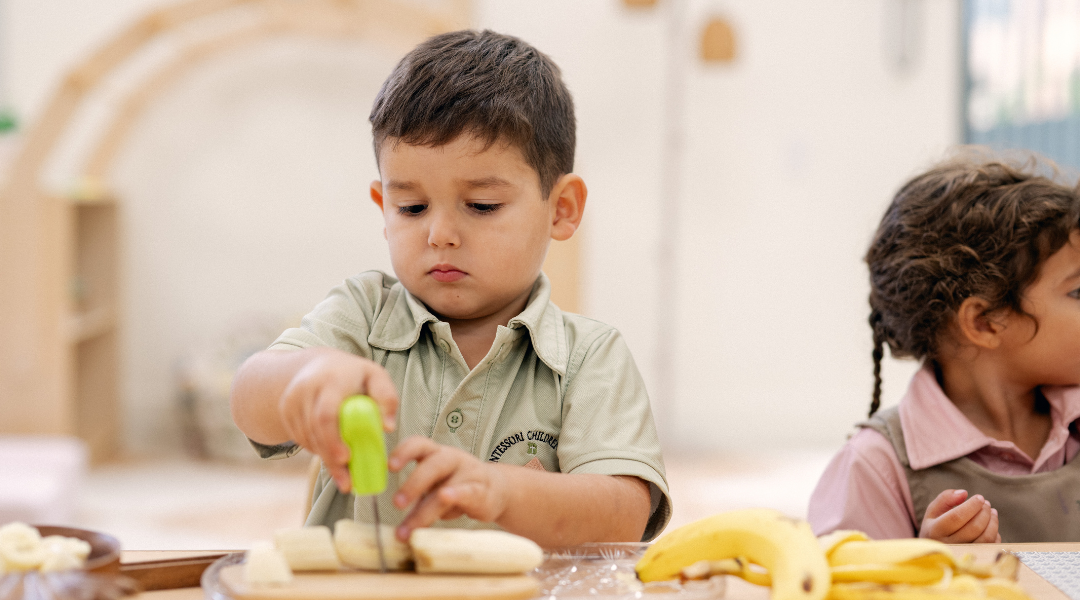
Many parents assume preschool challenges are simply part of growing up.
A child suddenly resisting school drop-offs, becoming unusually withdrawn, acting out at home, or losing interest in learning can sometimes be dismissed as a “phase.” But in some cases, those behaviors may indicate something deeper: the current preschool environment may not be the right fit for your child’s emotional, social, or developmental needs.
In Miami Lakes and surrounding communities like Palm Springs North, Hialeah Gardens, and Miramar, parents are increasingly asking not just whether a preschool is academically strong, but whether it truly supports their child as an individual.
The reality is that preschool environments affect far more than early academics. They influence confidence, independence, emotional regulation, communication skills, and a child’s long-term relationship with learning itself.
Understanding the signs that a preschool mismatch may be occurring can help families make proactive, informed decisions before frustration and stress become long-term patterns.
Why Preschool Fit Matters More Than Parents Realize
A preschool environment affects a child’s emotional security, learning confidence, social development, and behavior patterns during critical developmental years. When the environment does not align with a child’s learning style or emotional needs, children may show signs of stress, withdrawal, behavioral changes, or loss of interest in learning.
Early childhood is not simply preparation for “real school.” It is foundational development.
According to the National Association for the Education of Young Children, high-quality early learning environments support cognitive, emotional, social, and physical development simultaneously. When one of those areas becomes neglected or unsupported, children often communicate discomfort through behavior rather than words.
A preschool that works beautifully for one child may not work for another.
Some children thrive in highly structured classrooms with frequent group instruction. Others need movement, independence, hands-on learning, or calmer environments with fewer transitions.
Parents should pay attention when consistent patterns begin appearing—not isolated bad days, but repeated emotional or behavioral shifts connected to school.
1. Your Child Suddenly Hates Going to School
Frequent resistance to school, emotional meltdowns during drop-off, or ongoing anxiety about attending preschool may indicate that a child feels disconnected, overwhelmed, unsupported, or emotionally uncomfortable in the classroom environment.
Almost every child experiences occasional difficult mornings.
But persistent distress is different.
Warning signs may include:
- Crying daily before school
- Complaining of stomachaches only on school mornings
- Sudden clinginess
- Increased anxiety at bedtime
- Refusing to talk about school
- Emotional shutdown after pickup
Children often lack the vocabulary to explain why they feel unhappy. Instead, the discomfort appears through emotional reactions.
In some cases, the issue may stem from:
- Overly rigid classroom expectations
- Sensory overstimulation
- Lack of emotional connection
- Constant correction or redirection
- Difficulty keeping pace academically
- Social stress
Parents touring a new environment should observe whether children appear calm, engaged, and confident rather than merely compliant.
At a quality Montessori school in Miami Lakes, classrooms are typically designed to reduce unnecessary stress by creating predictable routines, purposeful independence, and respectful teacher-child interaction.
2. Your Child Seems Bored or Disengaged
A child who appears consistently bored, unchallenged, or disconnected from classroom activities may not be receiving learning experiences that match their developmental readiness or curiosity level.
Young children are naturally curious.
When that curiosity disappears consistently, parents should pay attention.
Signs of disengagement can include:
- Saying school is “boring”
- Lack of excitement about learning
- Minimal discussion about classroom activities
- Repetitive behavioral issues
- Loss of concentration
- Increased disruptive behavior
Sometimes children disengage because instruction moves too slowly. Other times, lessons feel too repetitive or disconnected from hands-on exploration.
Traditional classrooms often rely heavily on group pacing. This means some children wait while others catch up, while some struggle to keep pace with the group.
Montessori environments approach learning differently by allowing children to progress individually through carefully prepared materials designed to encourage concentration and discovery.
This individualized pacing often helps children remain more mentally engaged because they are actively participating in the learning process instead of passively waiting for instruction.
3. Behavioral Changes Are Becoming More Frequent
Sudden behavioral changes after starting preschool can signal emotional stress, overstimulation, lack of support, or an environment that does not align with a child’s developmental needs.
Behavior is communication.
When children cannot articulate stress verbally, they often express it physically or emotionally.
Parents may notice:
- Increased aggression
- Regression in independence
- Emotional outbursts
- Withdrawal
- Sleep disruptions
- More tantrums at home
- Difficulty self-regulating
While developmental phases are normal, patterns tied consistently to school attendance deserve closer attention.
According to the American Academy of Pediatrics, emotionally supportive learning environments play a major role in early childhood behavioral regulation and social-emotional growth.
Sometimes children become overwhelmed by:
- Excessive noise
- Constant transitions
- Large group demands
- Lack of movement opportunities
- Limited individualized attention
Parents often notice improvement after transitioning to calmer learning environments that prioritize emotional regulation alongside academics.
4. Teachers Focus More on Control Than Guidance
Preschool classrooms should prioritize respectful guidance and developmental support rather than constant correction, punishment, or rigid behavioral control.
Parents should observe not just what teachers say, but how they interact with children.
Healthy preschool environments usually include:
- Calm redirection
- Encouragement
- Positive reinforcement
- Respectful communication
- Age-appropriate expectations
- Emotional coaching
Potential red flags include:
- Constant yelling
- Excessive time-outs
- Public shaming
- Overly harsh discipline
- Frequent negative language
- Little opportunity for independent choice
In Montessori environments, teachers act more as guides than directors. Children are taught boundaries and responsibility, but independence is encouraged within clear limits.
This approach often creates calmer classrooms because children participate actively in maintaining the environment rather than simply responding to external control.
Families exploring a Montessori preschool in Miami Lakes frequently notice that classrooms feel peaceful without appearing passive or unstructured.
5. Your Child Is Losing Confidence
A preschool environment that causes children to feel consistently unsuccessful, overly corrected, or unable to keep pace can negatively affect early confidence and willingness to try new challenges.
Confidence in early childhood develops through successful experiences.
Children need opportunities to:
- Solve problems independently
- Make choices
- Practice skills repeatedly
- Experience mastery gradually
- Participate without fear of embarrassment
When classrooms rely heavily on comparison, constant correction, or group pacing, some children begin internalizing the belief that they are “behind” or “bad at learning.”
Warning signs may include:
- Avoiding new activities
- Saying “I can’t”
- Fear of making mistakes
- Hesitation to participate
- Increased frustration
- Dependence on adult help
Montessori philosophy intentionally supports confidence-building by allowing children to repeat activities until mastery develops naturally.
Self-correcting materials also reduce fear around mistakes because children learn through exploration rather than constant external evaluation.
6. Communication From the School Feels Limited or Defensive
Strong preschool programs maintain open, collaborative communication with parents and address concerns proactively rather than dismissively.
Parents should feel informed, respected, and included.
Potential concerns include:
- Difficulty scheduling discussions
- Defensive responses to questions
- Limited updates about development
- Vague explanations about behavior
- Lack of transparency
- Minimal parent partnership
A healthy school relationship should feel collaborative—not adversarial.
Teachers and administrators should be willing to discuss:
- Developmental progress
- Classroom behavior
- Emotional concerns
- Learning styles
- Social interactions
- Transition recommendations
Especially in close-knit communities like Miami Lakes, where families often rely heavily on local school reputation and referrals, trust and communication matter significantly.
7. Your Instinct Keeps Telling You Something Is Off
Parents often recognize subtle signs of preschool mismatch before they can fully explain them logically. Persistent concern, discomfort, or emotional hesitation about a child’s school experience should not be ignored.
Parents know their children deeply.
Sometimes concerns emerge before obvious behavioral symptoms appear.
You may notice:
- Your child seems emotionally drained after school
- Their personality changes gradually
- They stop talking enthusiastically about learning
- Classroom expectations feel developmentally inappropriate
- The environment simply feels emotionally disconnected
While no school is perfect, ongoing parental concern deserves thoughtful evaluation.
Touring alternative schools can provide clarity quickly. Many parents report that observing children calmly engaged, independently learning, and interacting respectfully in another environment immediately changes their perspective on what preschool can look like.
What Should Parents Do Next?
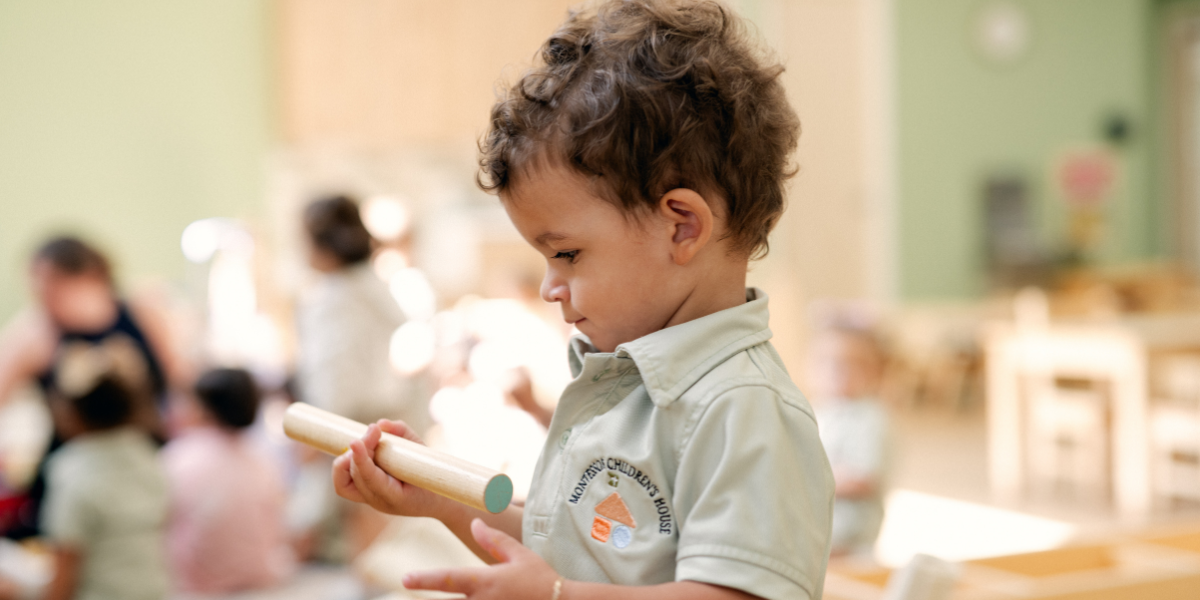
Parents who believe their child may need a different preschool should observe classroom environments, ask detailed questions, and prioritize emotional well-being alongside academics when evaluating alternatives.
Before making a transition:
- Schedule a classroom observation
- Speak openly with current teachers
- Document behavioral patterns
- Compare educational philosophies
- Evaluate the classroom atmosphere
- Consider your child’s temperament
- Trust consistent behavioral evidence
When visiting schools, look beyond decorations and marketing language.
Focus on:
- Teacher-child interactions
- Student independence
- Emotional tone
- Classroom organization
- Child engagement
- Calmness of the environment
The best preschool environments typically feel warm, purposeful, organized, and emotionally secure.
Helping Your Child Rediscover the Joy of Learning
A preschool should help children feel safe, capable, curious, and excited about learning—not stressed, discouraged, or emotionally disconnected. If your child is showing ongoing signs of frustration, anxiety, disengagement, or declining confidence, it may be worth exploring whether a different educational environment would better support their development.
At Montessori Children’s House of Miami Lakes, the focus extends beyond academics alone. The school’s Montessori approach encourages independence, confidence, emotional growth, hands-on learning, and respect for each child’s natural developmental pace within a calm and nurturing environment.
Conveniently located at 6381 Miami Lakeway N, Miami Lakes, FL, Montessori Children’s House serves families throughout Miami Lakes and nearby communities seeking a more individualized preschool experience rooted in authentic Montessori philosophy.
Parents interested in learning more about the school’s programs, classrooms, and child-centered approach can explore the school online or schedule a visit to see the environment firsthand. To speak with the team directly, call (305) 823-5632 and discover how Montessori Children’s House of Miami Lakes helps children build confidence, independence, and a lifelong love of learning.
Frequently Asked Questions
How do I know if my child is unhappy in preschool?
Common signs include frequent emotional drop-offs, sudden behavioral changes, loss of interest in learning, increased anxiety, sleep disruptions, or regularly saying they do not want to attend school. While occasional difficult days are normal, consistent patterns may indicate the preschool environment is not the right fit.
Is it bad to change preschools mid-year?
Not necessarily. If a child is consistently struggling emotionally, socially, or academically, transitioning to a more supportive environment can improve confidence, behavior, and overall well-being. Young children are often highly adaptable when moved into calmer, nurturing classrooms that better match their developmental needs.
What makes Montessori preschool different from traditional preschool?
Montessori preschool emphasizes hands-on learning, independence, individualized pacing, and mixed-age classrooms. Traditional preschool programs are typically more teacher-directed with group instruction and fixed schedules. Montessori environments are designed to help children develop confidence, concentration, and self-motivation through purposeful activities.
Can a Montessori preschool help children with anxiety or frustration at school?
Many children who feel overwhelmed in highly structured or fast-paced classrooms respond positively to Montessori education because the environment is calmer, more individualized, and centered around respectful guidance. Montessori classrooms encourage emotional regulation, independence, and confidence-building through consistent routines and hands-on learning.
Why do some children thrive better in Montessori education?
Some children benefit from the freedom to move, explore, repeat activities, and learn at their own pace. Montessori education supports natural curiosity, independence, and hands-on discovery, which can help children feel more confident and engaged compared to highly standardized classroom environments.